



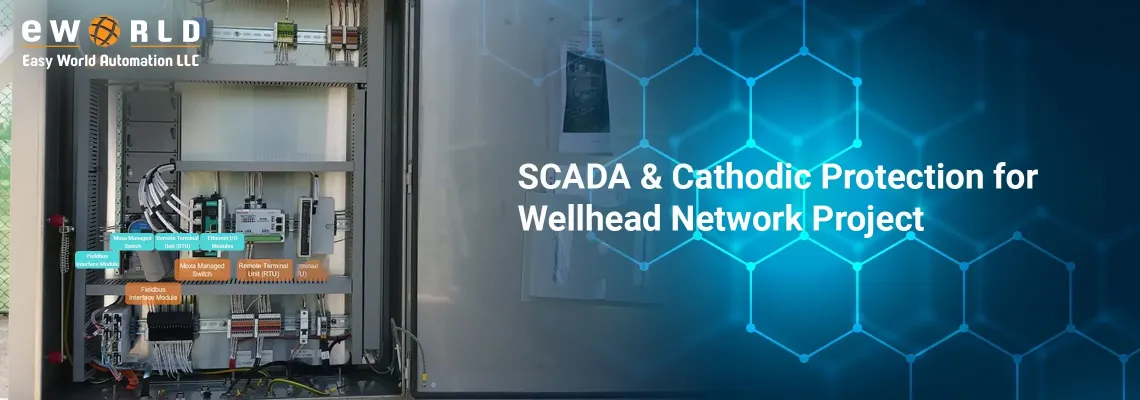
SCADA & Cathodic Protection for Oil and Gas Wellhead Network
Project Overview
An upstream oil and gas operator in the Middle East required a reliable and scalable automation solution for real-time and historical data acquisition from wellhead process instrumentation and cathodic protection systems deployed across more than 700 remote wellheads in in the Middle East's largest onshore oil and gas.
This field produces crude oil, associated gas, condensate and non-associated gas. It includes a total of 300 oil-producing wells, 182 water injection wells and 58 gas-producing and injector wells. According to the latest well status, the total number of wells is 605, including all production, injection, observation, closed-in and abandoned wells.
The operator awarded a $190 million contract to an EPC company for the implementation of a SCADA and Cathodic Protection system across the field.
Challenges
- Poor cellular signal coverage in the oil field making it unsuitable solution.
- Fiber connectivity is difficult to implement due to the dispersed wellheads and the potential of damage from vibration or crushing during wellhead operations.
- The field is experiencing extreme heat and humidity because of its proximity to the sea.
Objectives
- Ensure >99.9% communications availability using redundant point-to-multipoint radios.
- Acquire real-time and historical wellhead process data (pressure, flow, temperature, valve status).
- Provide secure and reliable communication to the SCADA control room.
- Design a scalable architecture for additional wellheads in future expansions.
- Install a 24/7 IP surveillance system around the wellhead's perimeter.
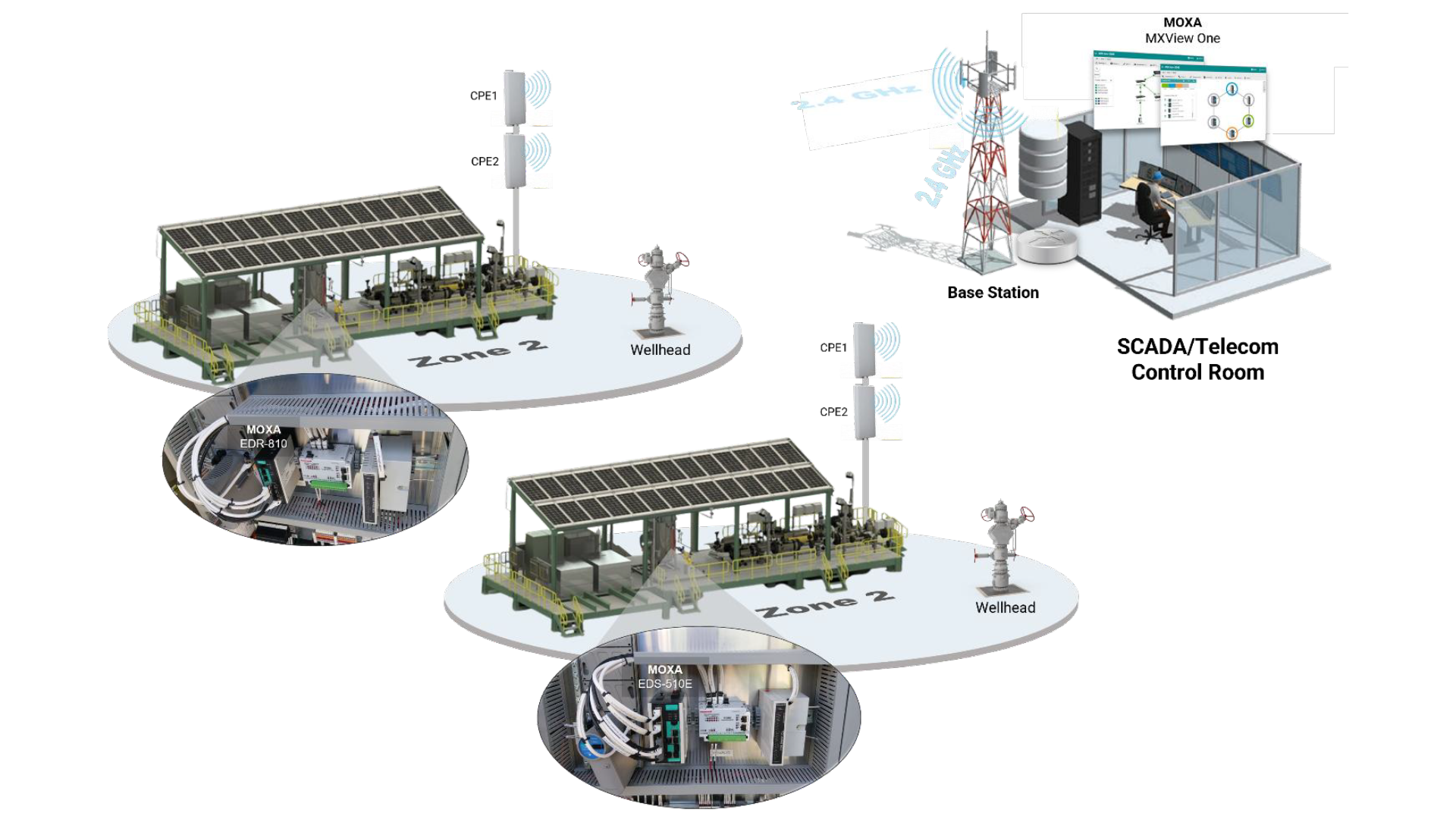
Solution Architecture
Key Components
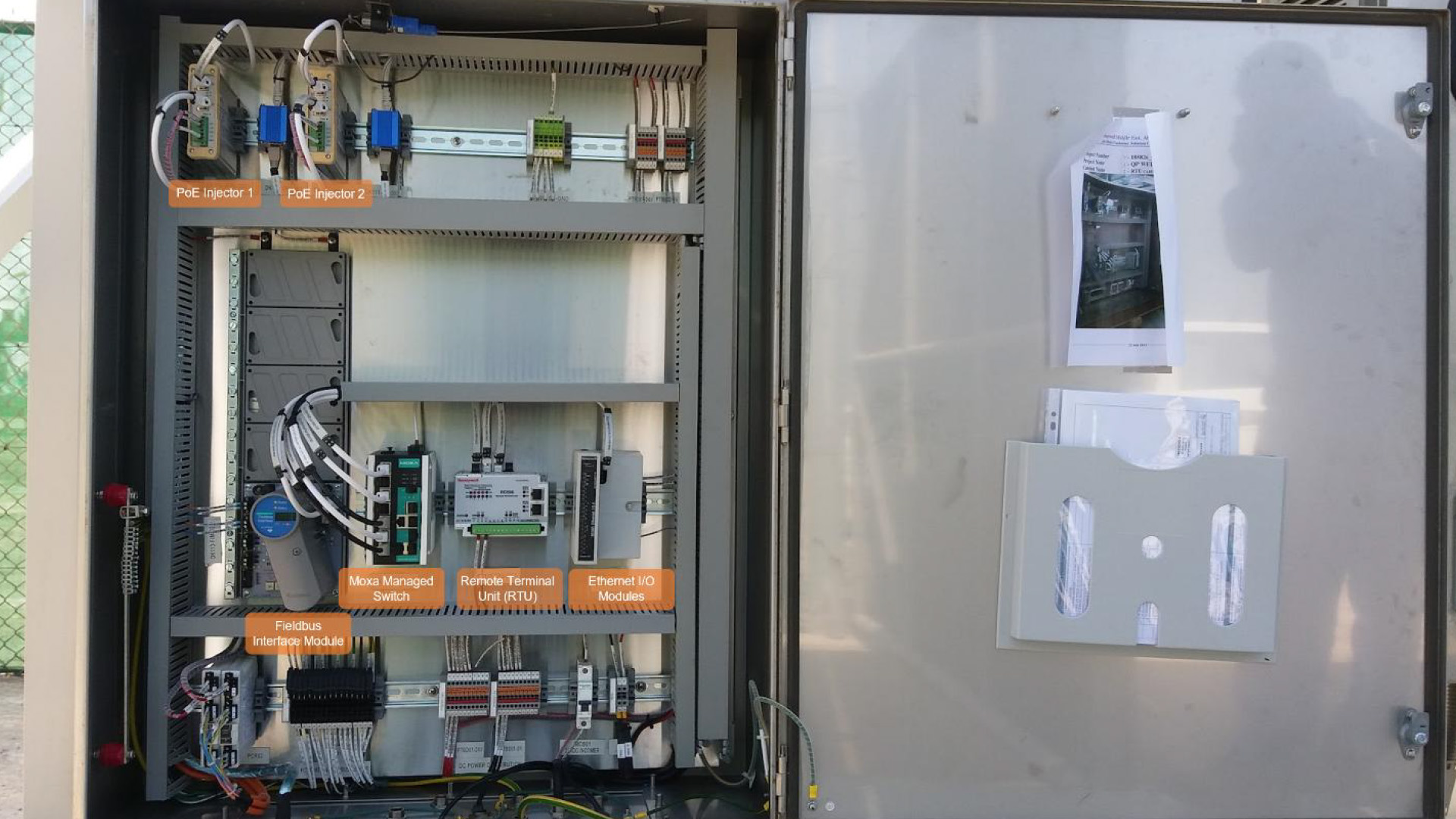
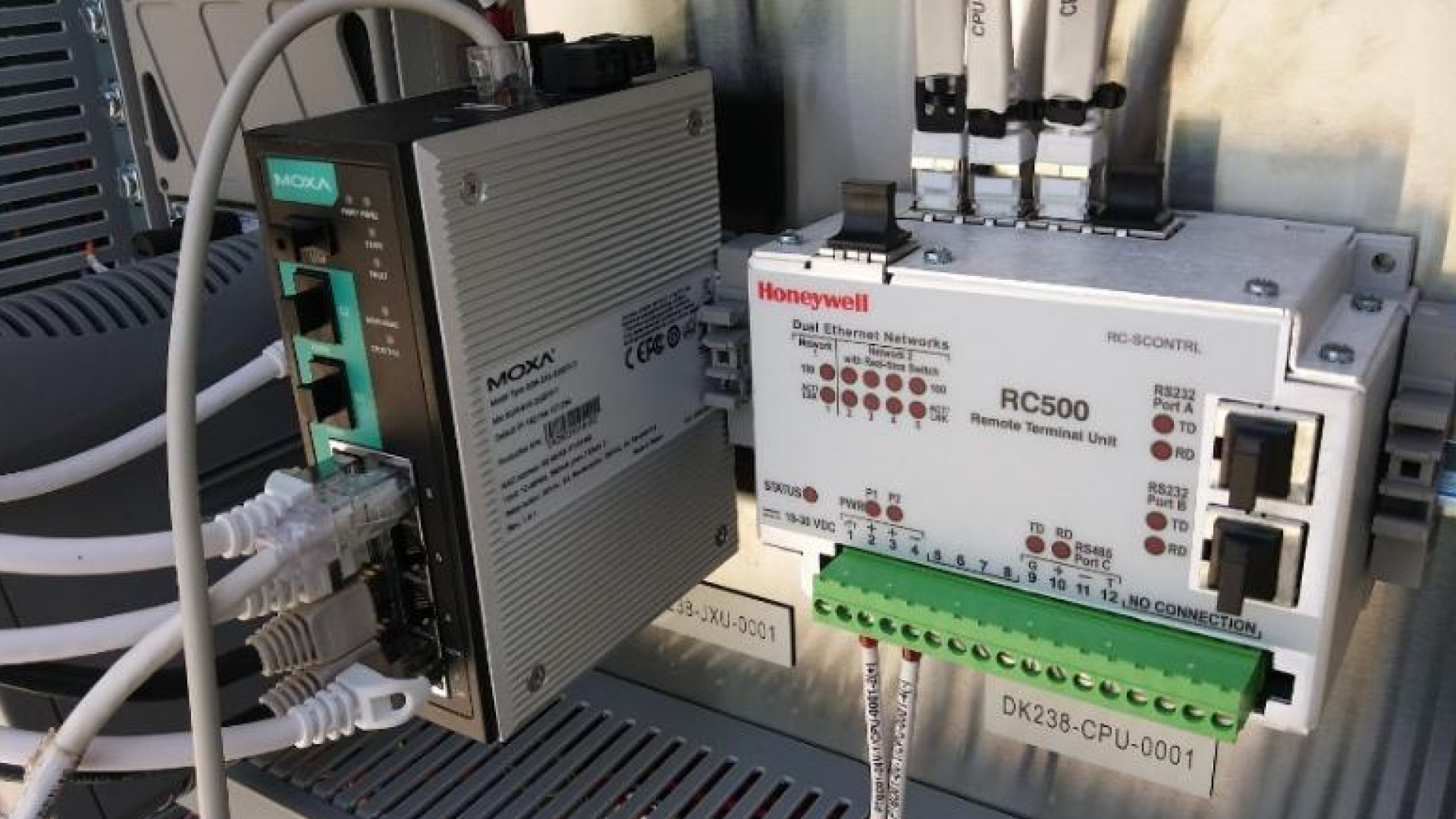
- Industrial Ethernet Switches (Moxa)
Provides secure connection to RTU, Ethernet I/O and aggregates redundant radios using Link Aggregation Control Protocol (LACP). - RTU and Ethernet I/O (Honeywell)
Gathers analog I/O, digital I/O and serial CP data; performs local logic, timestamping, and buffering. - Point-to-Multipoint Radio (Redline)
Two 2.4 GHz outdoor radios configured in load-sharing mode. - Base Station Radios (Redline)
Centralised sector radios with redundant backhaul to SCADA control room. - Control Room
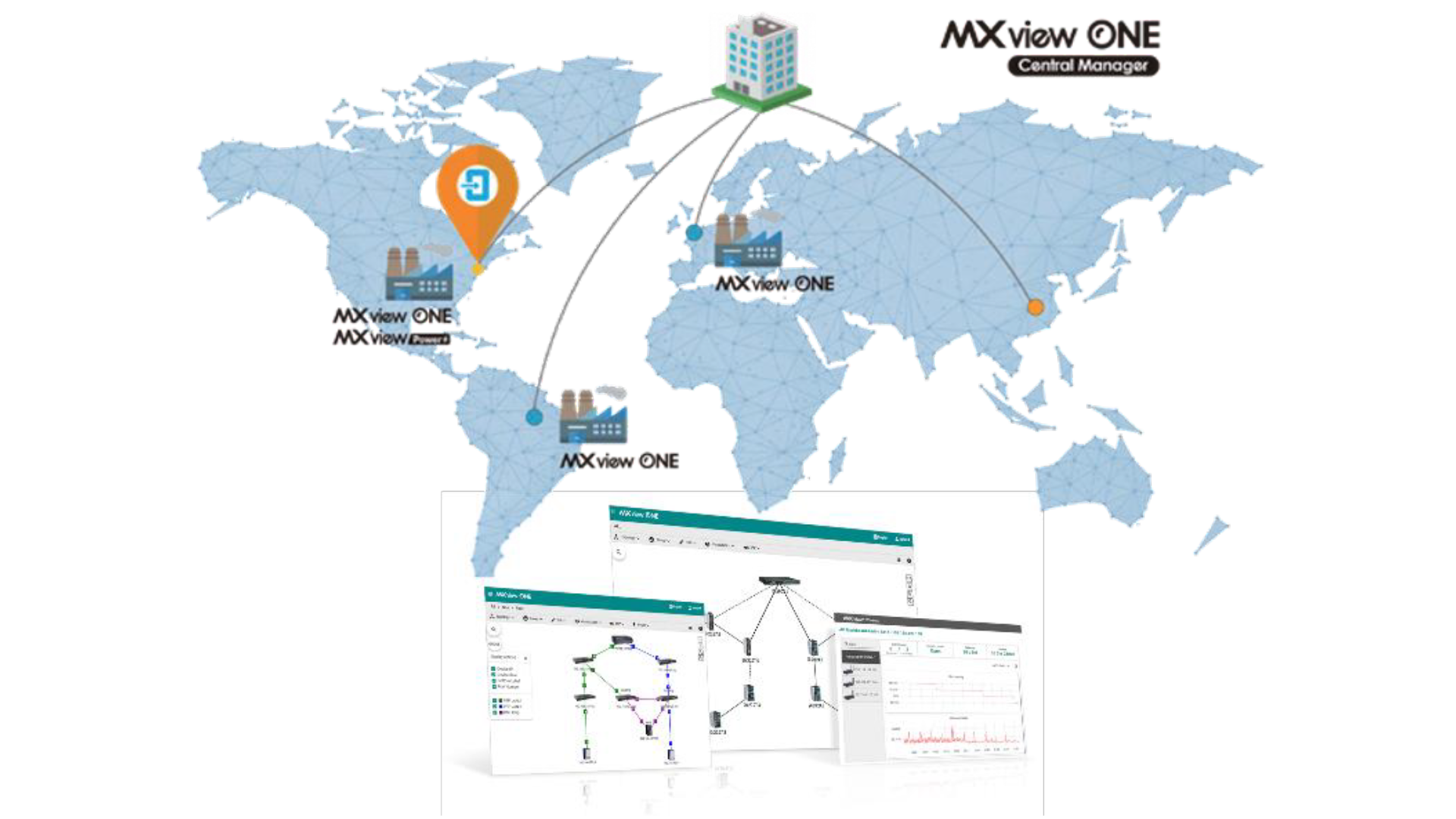
SCADA master polls RTUs and logs data to the historian for analysis. - Network Management Software (Moxa)
Monitors and manages more than 1,000 Moxa switches.
Products Supplied by Easy World
Brand: Moxa
Model Name: EDS-510E Series
Quantity: 700+
- ATEX Zone 2 and DNV certified
- Multiple redundancy protocols such as RSTP, MSTP, MRP, and Moxa’s proprietary protocols, Turbo Ring and Turbo Chain
- EtherNet/IP, PROFINET, and Modbus TCP protocols supported
- -40 to 75°C operating temperature
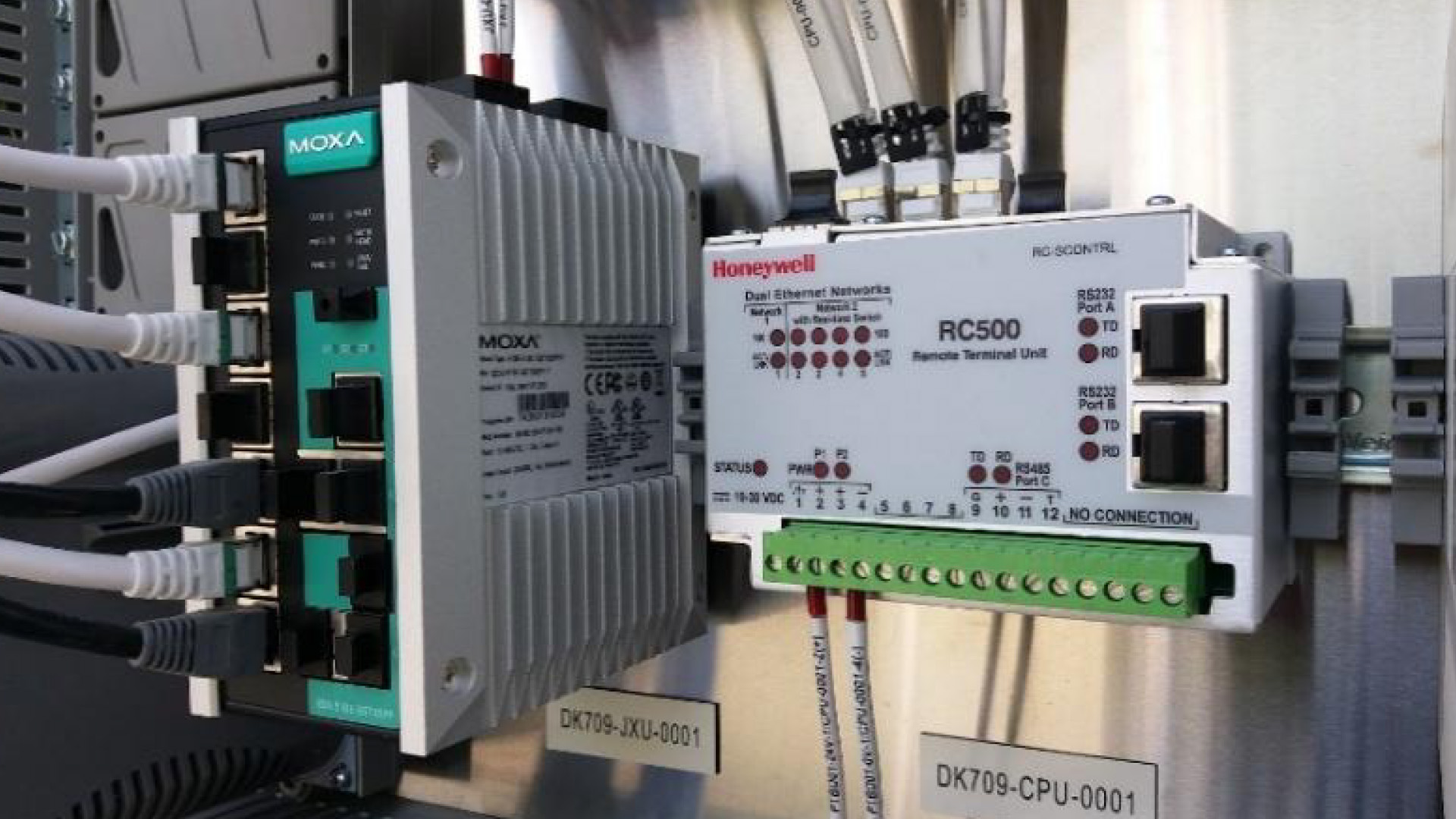
Brand: Moxa
Model Name: EDR-810 Series
Quantity: 400+
- ATEX Zone 2 and DNV certified
- All-in-one Firewall/VPN/Router/Switch
- Inspect industrial protocols with PacketGuard technology
- Compliant with the IEC 61162-460 marine cybersecurity standard
- -40 to 75°C operating temperature
- Highest MTBF (75+ years)
Brand: Moxa
Model Name: MXView-2000
Quantity: 2
- Discovers and visualises network devices and physical connections automatically
- Central management of configurations and firmware for Moxa devices
- Generate an inventory report for each device on the network
- Provides RESTful API and web widget for integrating MXview One into the existing system
Implementation Process (Easy World Contributions)
Engineering Design and Proposal
- Helped the customer to choose the right product models to use.
- Provided all the necessary documents for the equipment approval.
- Value-added service, including exchange warranty and technical support
Proof of Concept (POC)
- Simulated SCADA polling, redundant radio failover test with Redline representative.
Training
- Conducted the training for Moxa industrial networking products and MXview (NMS).
Technical Support
- Provided support for the configuration of Moxa switches.
- Assisted the customer in the installation and commissioning of Moxa NMS (MXView).
- Respond to all technical enquiries related to Moxa switches and NMS.
Benefits
Reduced Downtime
- Continuous monitoring prevents failures in cathodic protection systems.
- Automated logging supports regulatory reporting for pipeline integrity.
Operational Efficiency
- Reduce manpower and transportation costs to send field personnel to collect data from each RTU.
- Remote monitoring reduces field crew dispatch by 60-70%.
Scalable Growth
- New wellheads can be added with minimal changes to the base station.
Leave a comment